
When the Patient Is a Child: Why Pediatric Emergencies Feel Different
Certification is important. Confidence comes from preparing for the situations you hope you'll never face.
A healthcare provider may manage critically ill adults every day and still feel a heightened sense of urgency when the patient is a child.
Pediatric emergencies carry a unique weight. Children are not simply smaller adults. Their anatomy, physiology, communication abilities, and response to illness differ significantly from those of adult patients. Symptoms can be subtle, deterioration can happen quickly, and treatment decisions often require age-specific considerations and precise calculations.
Adding to the challenge, many healthcare professionals encounter pediatric emergencies less frequently than adult emergencies. Even experienced providers may go months without managing a critically ill child. When that moment arrives, there is little time to second-guess an assessment or search for the next step.
That is why ongoing pediatric education is so important. While Pediatric Advanced Life Support (PALS) certification provides a strong clinical foundation, many providers seek additional training opportunities to build confidence, strengthen critical thinking skills, and prepare for complex situations that extend beyond the standard curriculum.
Why Pediatric Emergencies Feel Different
One of the most challenging aspects of pediatric care is that children often compensate remarkably well until they suddenly don't.
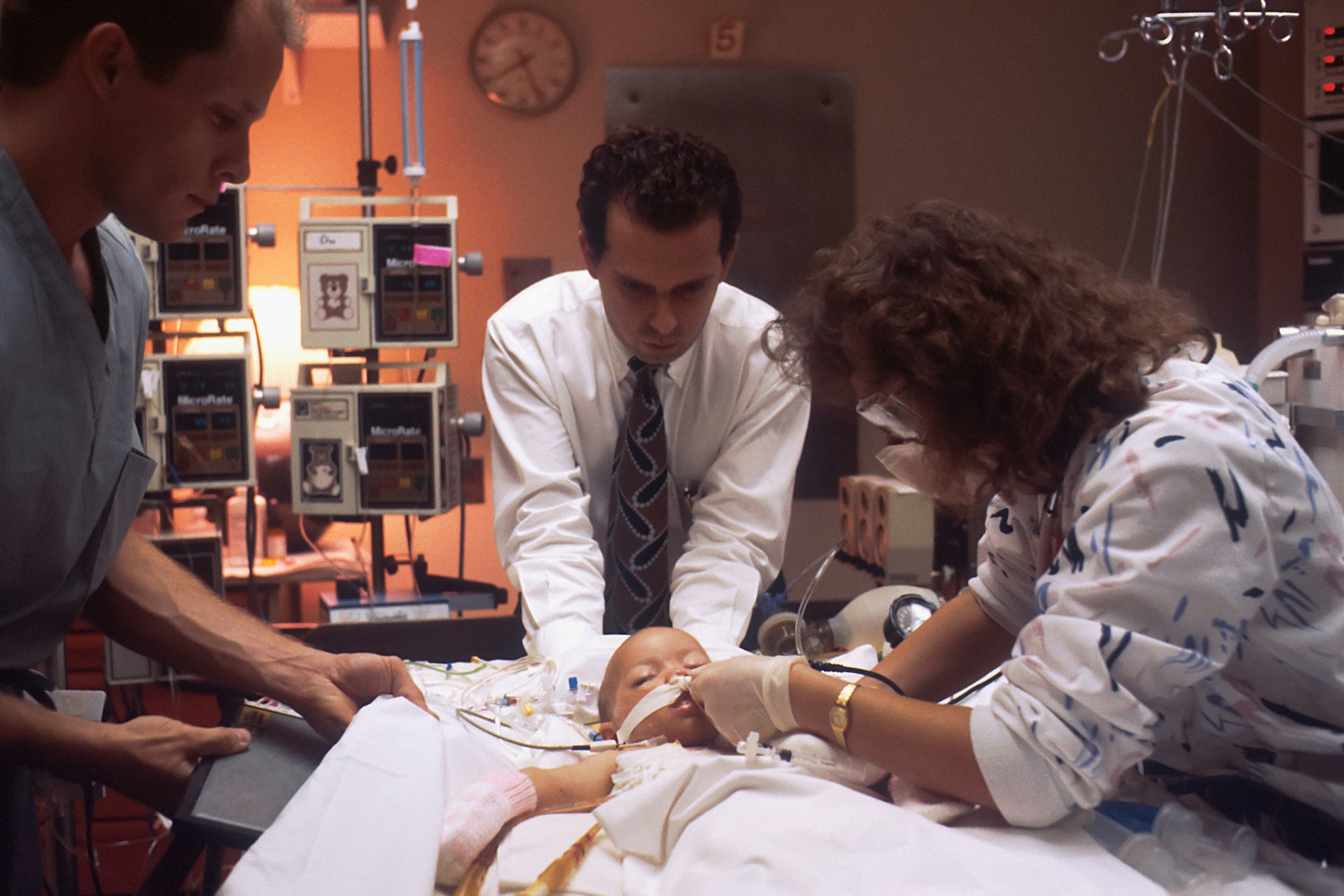
A child experiencing respiratory distress, shock, or a serious infection may initially appear stable. Then, seemingly without warning, their condition can rapidly deteriorate. Recognizing those early warning signs requires both knowledge and experience.
Providers must also navigate age-specific assessment techniques, medication dosing considerations, equipment sizing, and communication challenges. A frightened toddler cannot describe symptoms the way an adult can. Parents and caregivers may be understandably anxious or overwhelmed. The clinical team must gather information, provide reassurance, and deliver care simultaneously.
There is also an emotional component that many providers acknowledge. Caring for critically ill children can be especially stressful because the stakes feel different. Every decision matters, and every member of the healthcare team wants to ensure they are prepared to provide the best possible care.
The Difference Between Certification and Readiness
PALS certification is an essential credential for many healthcare professionals who care for pediatric patients. It teaches evidence-based algorithms, assessment techniques, team dynamics, and resuscitation principles that can save lives.
However, certification and readiness are not always the same thing.
A provider may successfully complete a certification course every two years while rarely encountering a pediatric code, severe trauma, toxic exposure, or congenital heart condition in clinical practice. Without opportunities to revisit these concepts, confidence can naturally fade over time.
Knowing the algorithm is important. Being prepared to apply it during a high-stress pediatric emergency is something entirely different.
True readiness comes from ongoing education, scenario-based learning, exposure to advanced concepts, and opportunities to strengthen clinical decision-making skills beyond the basics.
Looking Beyond the Standard PALS Curriculum
For providers seeking a deeper level of pediatric emergency education, PALS Plus offers the opportunity to explore advanced topics that reflect the realities of pediatric healthcare.
The American Heart Association's advanced curriculum includes nine specialized modules designed to expand knowledge in areas that providers may encounter throughout their careers.
Advanced Airway Management - Airway compromise remains one of the most common causes of pediatric deterioration. This module explores advanced airway techniques and considerations when basic interventions are no longer sufficient.
Child Abuse - Healthcare professionals play a critical role in recognizing and responding to signs of abuse and neglect. This module focuses on identifying concerning patterns, documentation, and protecting vulnerable patients.
Toxicology - Accidental ingestions, medication exposures, and poisoning emergencies can present unique challenges in pediatric patients. Providers learn how to assess and manage these potentially life-threatening situations.
Trauma: Overview and Approach - From falls and motor vehicle accidents to sports injuries and other traumatic events, pediatric trauma requires a specialized approach to assessment and stabilization.
Technologically Dependent Child - Many children rely on medical technologies such as tracheostomies, feeding tubes, ventricular shunts, and ventilatory support. Emergencies involving these patients often require additional knowledge and specialized problem-solving skills.
Sedation and Analgesia - Providing safe pain management and procedural sedation requires careful assessment, monitoring, and clinical judgment. This module explores important considerations when caring for pediatric patients undergoing procedures.
Post–Cardiac Arrest Care - Successful resuscitation is only the beginning. Providers examine the critical care principles that support recovery following return of spontaneous circulation.
Ultrasound - Point-of-care ultrasound continues to play an increasingly important role in emergency and critical care settings. This module introduces applications that support rapid assessment and clinical decision-making.
Congenital Heart Disease - Children with congenital heart disease often present unique challenges during emergency situations. Understanding their physiology and potential complications can significantly influence patient management and outcomes.
Highlighting Congenital Heart Disease
One advanced topic that deserves particular attention is congenital heart disease.
In our recent discussion of the World Heart Report 2026 and the growing concern surrounding pediatric heart health deserts, we explored how congenital heart disease remains one of the most common birth defects worldwide. While advances in medicine have dramatically improved survival rates, many children continue to require specialized care throughout their lives.
For healthcare providers, caring for a child with congenital heart disease often involves considerations that extend beyond traditional pediatric emergency training. Familiarity with these conditions can help providers recognize complications, communicate effectively with specialists, and make informed clinical decisions during critical moments.
As pediatric healthcare continues to evolve, understanding these complex conditions becomes increasingly valuable for providers across multiple care settings.
Who Benefits Most from PALS Plus?
PALS Plus is beneficial for a wide range of healthcare professionals, including:
Emergency nurses
Pediatric nurses
Critical care nurses
Respiratory therapists
Nurse practitioners and physician assistants
Physicians
EMS professionals
Healthcare providers who encounter pediatric emergencies infrequently but want to maintain confidence and preparedness
Whether you regularly care for pediatric patients or only encounter them occasionally, advanced pediatric education can help strengthen both knowledge and clinical confidence.
Confidence for the Moments That Matter Most
Children deserve providers who are prepared for both common emergencies and the complex situations that do not happen every day.
PALS certification provides the foundation for high-quality pediatric emergency care. PALS Plus builds upon that foundation by introducing advanced concepts, expanding clinical knowledge, and helping providers develop the confidence needed to manage challenging pediatric situations.
At ACLS Academy, our PALS Plus course goes beyond certification to provide healthcare professionals with deeper exposure to advanced pediatric topics, hands-on learning opportunities, and practical knowledge that can be applied in real-world clinical settings.
When the patient is a child, preparation matters. Confidence matters. And the best time to build both is before the emergency happens.
Ready to expand your pediatric emergency care knowledge? Explore PALS Plus training at ACLS Academy and take the next step in your professional development.
ACLS Academy is an American Heart Association-aligned Training Center and All-Star award recipient offering training courses for healthcare professionals throughout Greater Boston, including locations in Quincy, Bridgewater, and Newton Centre. Course offerings include ACLS, BLS, PALS, PEARS, ACLS-EP, ASLS, TNCC, ENPC, NRP, HeartSaver CPR/AED, First Aid, Bloodborne Pathogens training, and instructor certification courses taught by experienced healthcare professionals. Browse our catalogue of courses.