
Summer Emergencies: What Every Family Should Know
From backyard barbecues and beach days to youth sports and family vacations, summer brings more opportunities for fun—and more opportunities for emergencies. Knowing what to do in those first critical moments can make all the difference.
Summer is a season of memories.
It's pool parties, beach vacations, little league games, boating trips, neighborhood cookouts, and long afternoons spent outdoors with family and friends. As families across the country prepare to celebrate the Fourth of July holiday—and as America marks its 250th anniversary of independence—millions of people will gather outdoors to enjoy the traditions that make summer special.

While most summer activities end with great stories and sun-soaked photos, they can also increase the risk of emergencies that require quick thinking and immediate action.
The reality is that when an emergency happens, family members, coaches, friends, and bystanders are often the first people on the scene. Knowing how to recognize a problem and take action while waiting for emergency responders can make a lifesaving difference.
Here are some of the most common summer emergencies and what every family should know before heading outside.
Drowning Happens Faster and More Quietly Than Most People Realize
Many people imagine drowning as a dramatic event involving splashing, yelling, and calls for help. In reality, drowning is often silent.
Whether at a backyard pool, lake, beach, or water park, a person in distress may be unable to call out or wave for assistance. Children can slip beneath the water in seconds, even when adults are nearby.
Active supervision is one of the most important ways to prevent drowning. Designating a responsible adult to watch swimmers and avoiding distractions like phones can help reduce risk.
If a person is removed from the water and is unresponsive:
Call 911 immediately.
Begin CPR if needed.
Retrieve and use an AED if one is available.
Early CPR can be especially important in drowning emergencies because oxygen deprivation is often a primary concern.
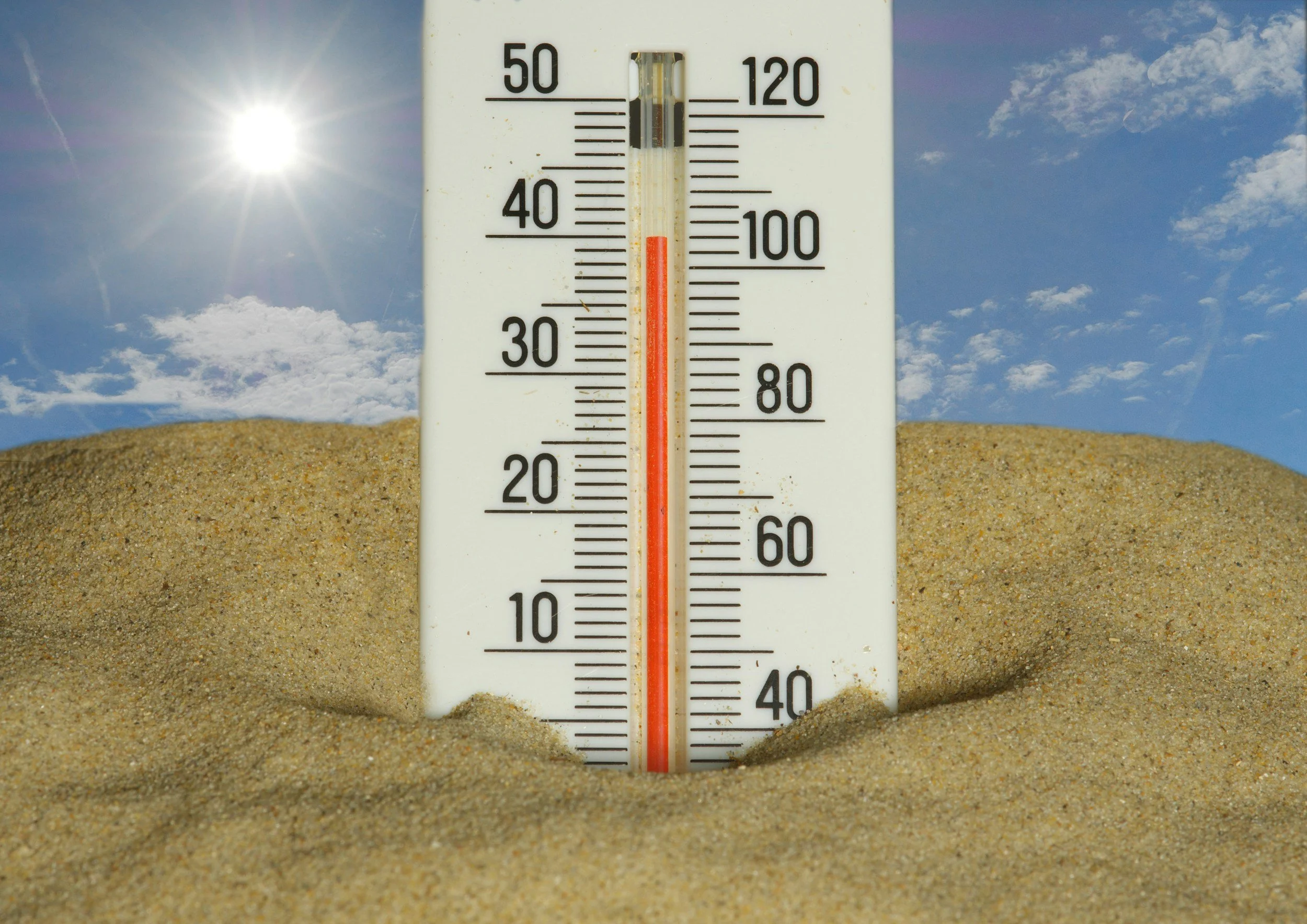
Heat Illness Is More Than Just Being Hot
Whether you're coaching a youth sports team, working outdoors, or enjoying a family event, prolonged heat exposure can become dangerous quickly.
Heat exhaustion and heat stroke are not the same thing.
Heat exhaustion may include:
Heavy sweating
Dizziness
Nausea
Fatigue
Headache
Heat stroke is a medical emergency and may include:
Confusion or altered mental status
Hot, dry skin or excessive sweating
Rapid pulse
Loss of consciousness
If you suspect heat stroke:
Call 911 immediately.
Move the person to a cooler environment.
Begin rapid cooling using cold water, ice packs, or wet towels if available.
Do not assume someone will "sleep it off" or recover on their own. Heat stroke can quickly become life-threatening.
Choking Doesn't Just Happen to Children
Summer gatherings often revolve around food.
Hot dogs, hamburgers, steak tips, grapes, candy, and other common foods can all present choking hazards. While young children are at increased risk, choking emergencies can happen at any age.
Signs of severe choking may include:
Inability to speak
Weak or absent cough
Difficulty breathing
Hands clutching the throat
If someone is unable to breathe or speak, immediate intervention is critical.
Knowing how to recognize choking and perform appropriate first aid can help prevent a frightening situation from becoming a tragedy.
Youth Sports and Sudden Cardiac Arrest
Summer sports camps, tournaments, and recreational leagues bring families together every year. While athletic participation offers tremendous benefits, it's important to recognize that sudden cardiac arrest can affect young athletes.
Although rare, sudden cardiac arrest can occur in children, teenagers, and young adults—even those who appear healthy.
This is one reason AED access at athletic facilities has become increasingly important. Coaches, parents, athletic trainers, and spectators may become the first responders in these situations.
When sudden cardiac arrest occurs, survival depends on rapid action:
Recognize the emergency.
Call 911.
Begin CPR immediately.
Use an AED as soon as possible
Every minute matters.
This focus on community preparedness is central to the American Heart Association's Nation of Lifesavers initiative, which aims to increase bystander CPR awareness and action across the country.
Boating Emergencies Can Become Serious Quickly
Boating is one of summer's favorite activities, but emergencies on the water can present unique challenges.

Falls overboard, traumatic injuries, medical emergencies, and remote locations can delay access to emergency medical services.
The best protection begins before leaving the dock:
Wear properly fitted life jackets.
Ensure emergency equipment is onboard.
Know how to contact emergency services.
Understand basic CPR and first aid.
When emergencies occur on the water, bystanders often become the first line of response until professional help arrives.
Insect Stings and Severe Allergic Reactions
For many people, a bee sting is little more than an unpleasant inconvenience.
For others, it can trigger a life-threatening allergic reaction known as anaphylaxis.
Warning signs may include:
Swelling of the face, lips, or throat
Difficulty breathing
Wheezing
Hives
Dizziness
Loss of consciousness
If someone is experiencing signs of anaphylaxis:
Administer an epinephrine auto-injector if available.
Call 911 immediately.
Monitor breathing and responsiveness until help arrives.
Prompt recognition and treatment can be lifesaving.
Lightning: The Summer Emergency Many People Don’t Expect
Summer thunderstorms can develop quickly, especially during outdoor activities.
Many people underestimate the danger of lightning strikes or believe they are safe as long as rain hasn't started. However, if you can hear thunder, you are close enough to be struck.
When thunder roars:
Move indoors immediately.
Avoid open fields and isolated trees.
Stay away from water.
If someone is struck by lightning, call 911 immediately.
A common myth is that lightning victims carry an electrical charge. They do not.
They are safe to touch and may require immediate CPR if they are unresponsive and not breathing normally.
Quick action can save a life.
Preparation Is the Best Summer Safety Plan
The common thread among all of these emergencies is simple: someone nearby often has the opportunity to make a difference before EMS arrives.
You don't need to be a healthcare provider to help.
Learning CPR, AED use, choking response, and basic first aid can help you respond with confidence during those critical first moments when every second counts.
Whether you're preparing for beach days, summer camps, family vacations, youth sports season, or simply spending more time outdoors, having lifesaving skills is one of the best ways to protect the people you care about.
As we celebrate Independence Day and gather with family and friends during this historic 250th anniversary year, it's worth remembering that preparedness is one of the best ways to help keep those celebrations safe. A few hours spent learning lifesaving skills today can make a lasting difference when it matters most.
At ACLS Academy, we provide Heartsaver CPR/AED/First Aid, BLS, ACLS, PALS, and instructor training courses designed to help healthcare professionals and community members respond confidently when emergencies happen.
Because summer memories should last a lifetime—and sometimes the skills you learn today can help ensure they do.
ACLS Academy is an American Heart Association-aligned Training Center and All-Star award recipient offering Heartsaver CPR/AED/First Aid, BLS, ACLS, and PALS training for healthcare professionals, educators, coaches, childcare providers, businesses, and community members throughout Massachusetts. With training centers in Quincy, Bridgewater, and Newton Centre, ACLS Academy helps individuals gain the confidence and skills needed to respond to emergencies, including cardiac arrest, drowning, choking, allergic reactions, and other life-threatening situations. Learn lifesaving skills from experienced instructors at ACLS Academy—For Providers, By Providers.