
When Communities Take the Lead: Building Lifesavers from the Ground Up
The idea did not begin inside a training center.
In Newton, it began with two high school students who believed CPR and AED education should be more accessible to their peers.
In Hanover, it began with a community partnership that brought free CPR certification directly to local adults.
The events were different in size, audience, and origin. What they shared was more important: local people recognized a training gap and decided to do something about it.
With support from ACLS Academy founders Dr. Shelley Lynch and Chad Lynch, along with other ACLS Academy instructors, those ideas became two hands-on certification opportunities. Together, they demonstrate how a community becomes safer, not through awareness alone, but when someone takes the lead, and others help turn that leadership into action.
A Training Gap Newton Students Decided to Close
High school students Lauren and Evan Li founded Heart for Care in 2025 with a clear goal: make CPR and AED training more accessible to local students.
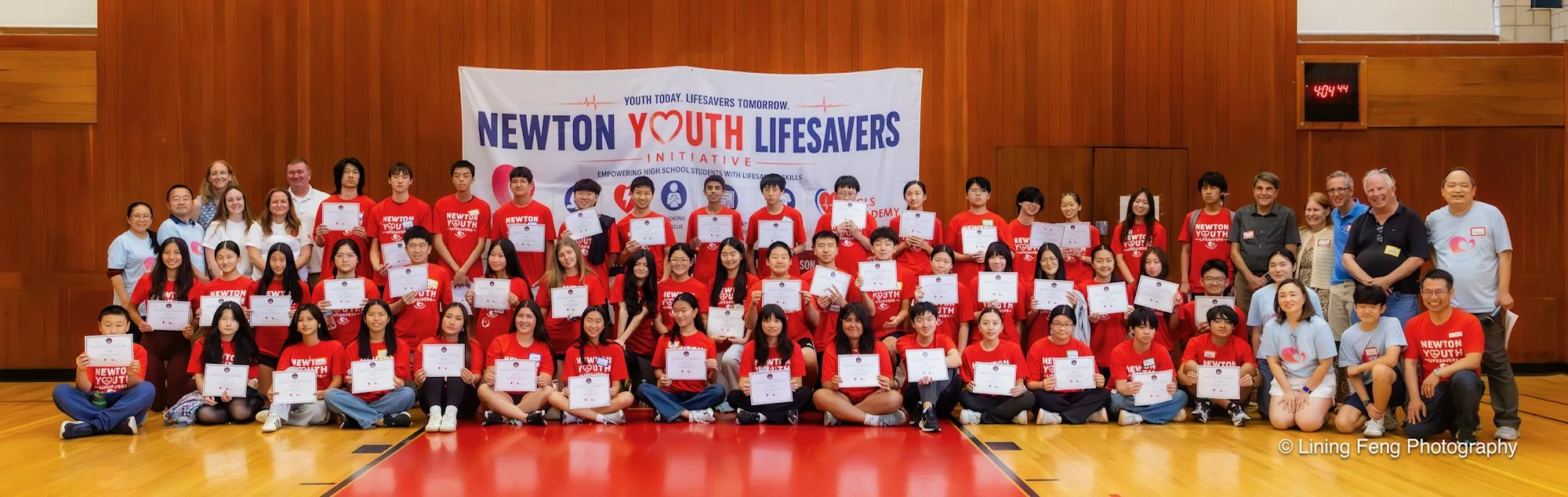
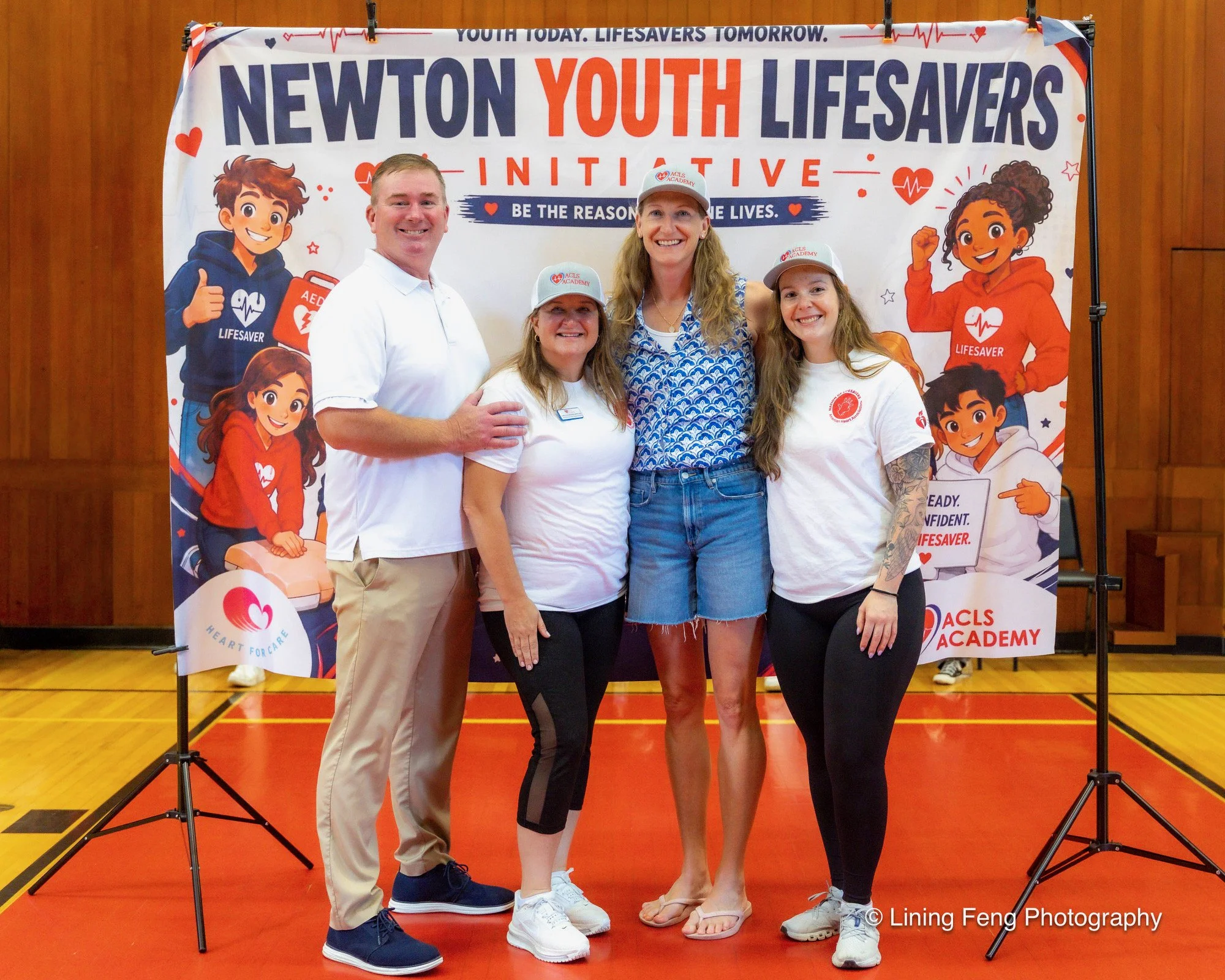
That mission became the inaugural Newton Youth Lifesavers Initiative, a free American Heart Association Heartsaver CPR/AED certification program held at the Hyde Community Center.
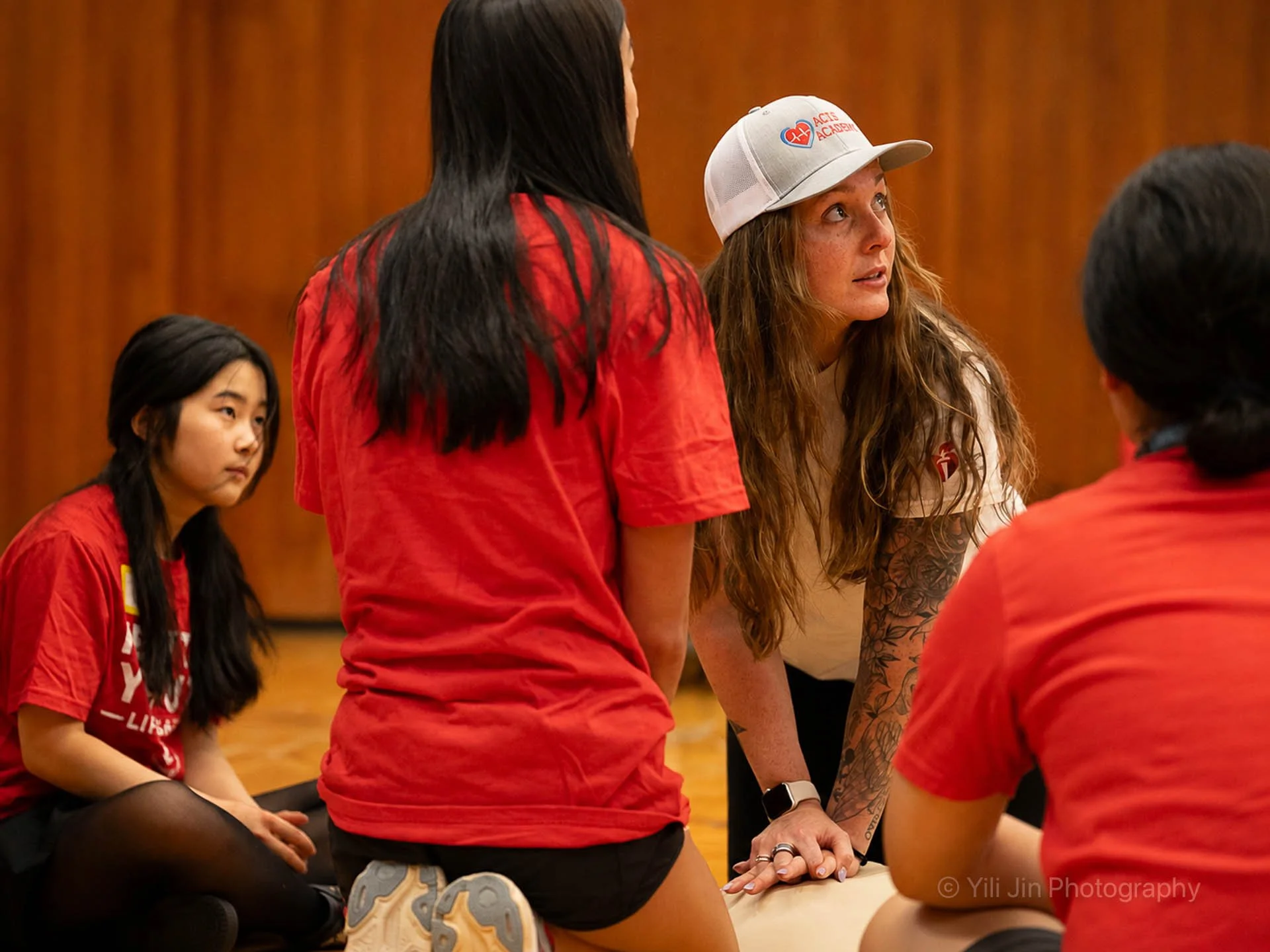
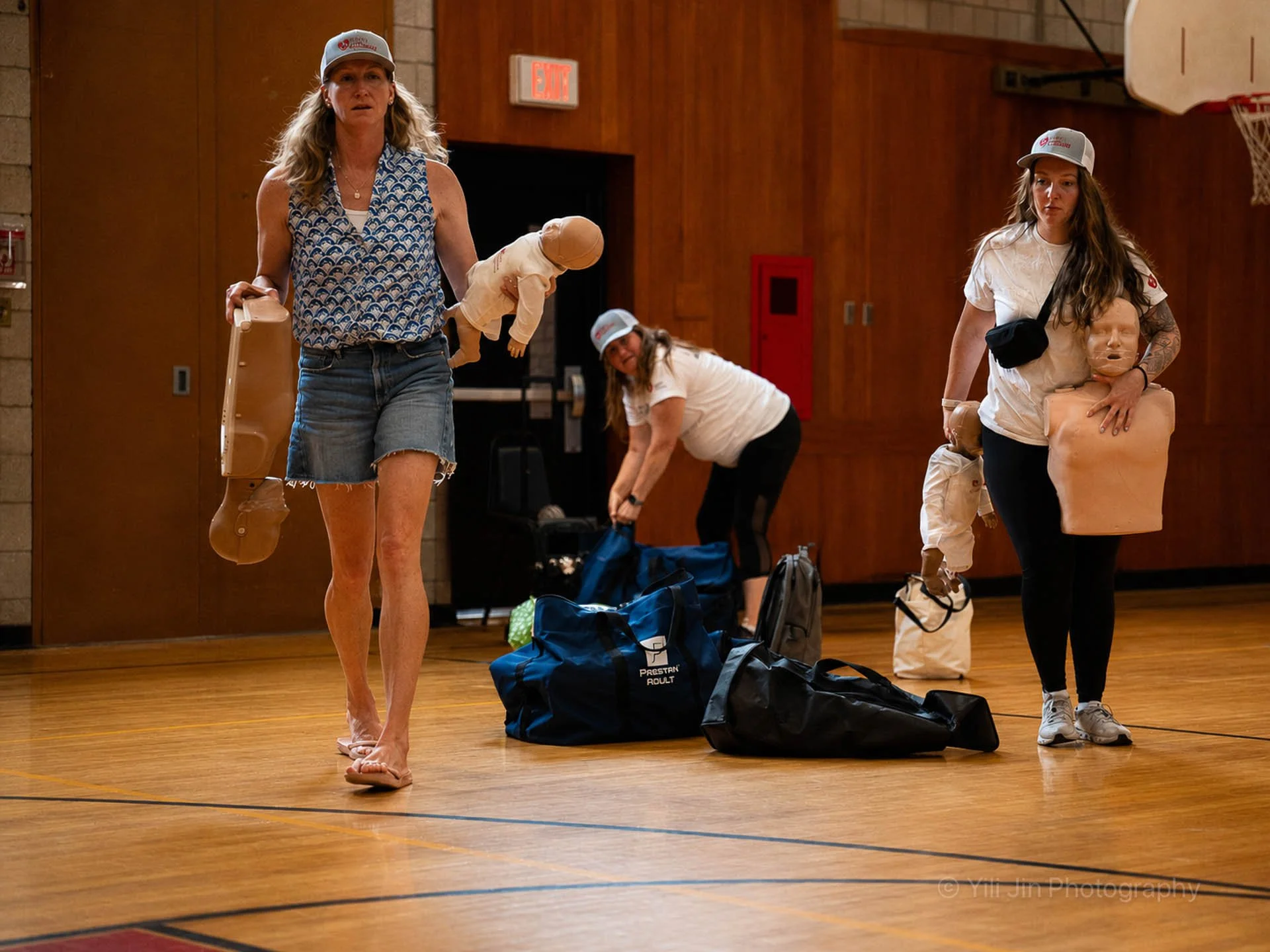
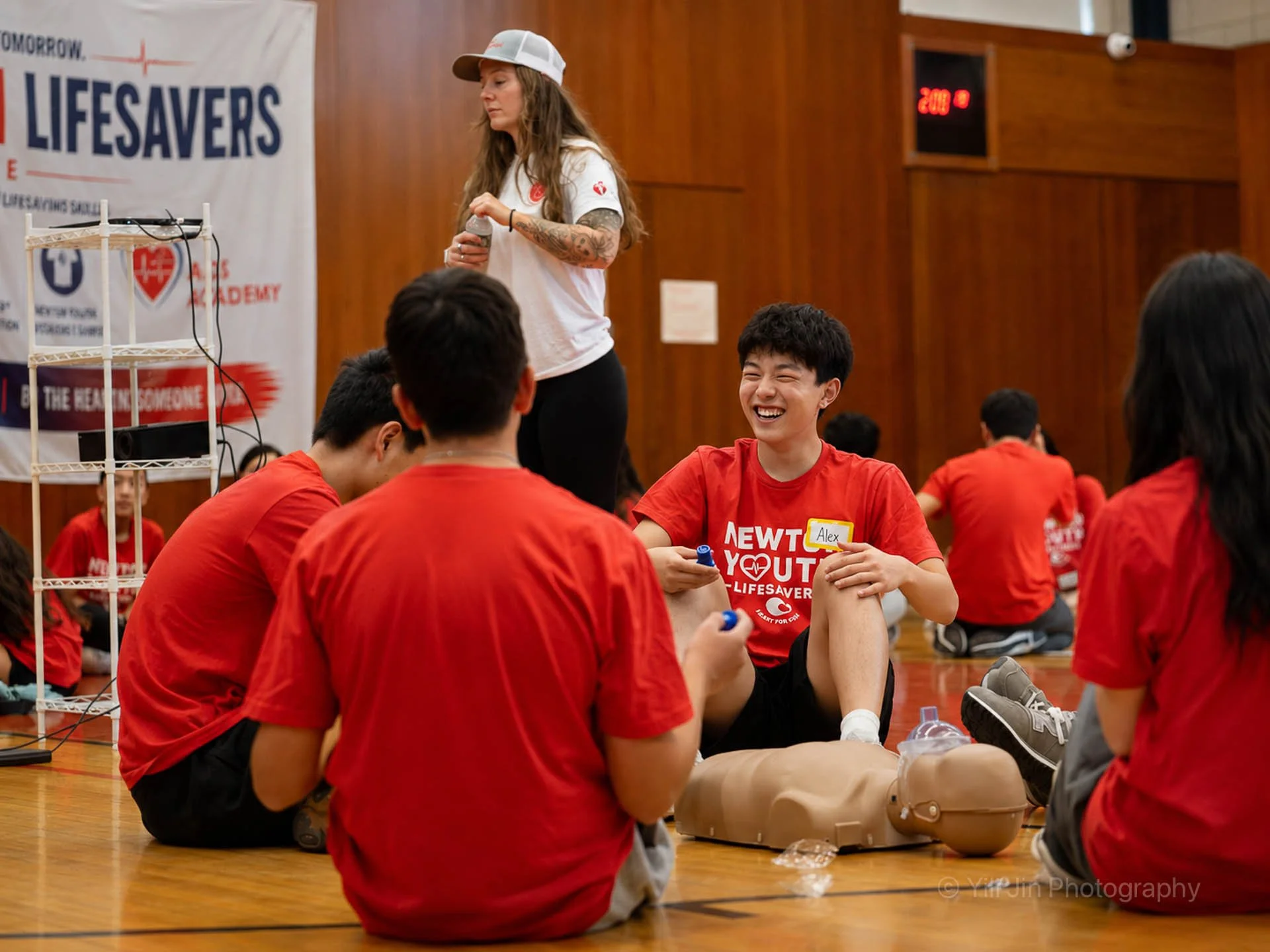
50 high school students came together to learn adult, child, and infant CPR, AED use, choking relief, and emergency response. After completing hands-on training with certified ACLS Academy instructors, participating students received their American Heart Association Heartsaver CPR/AED certification.
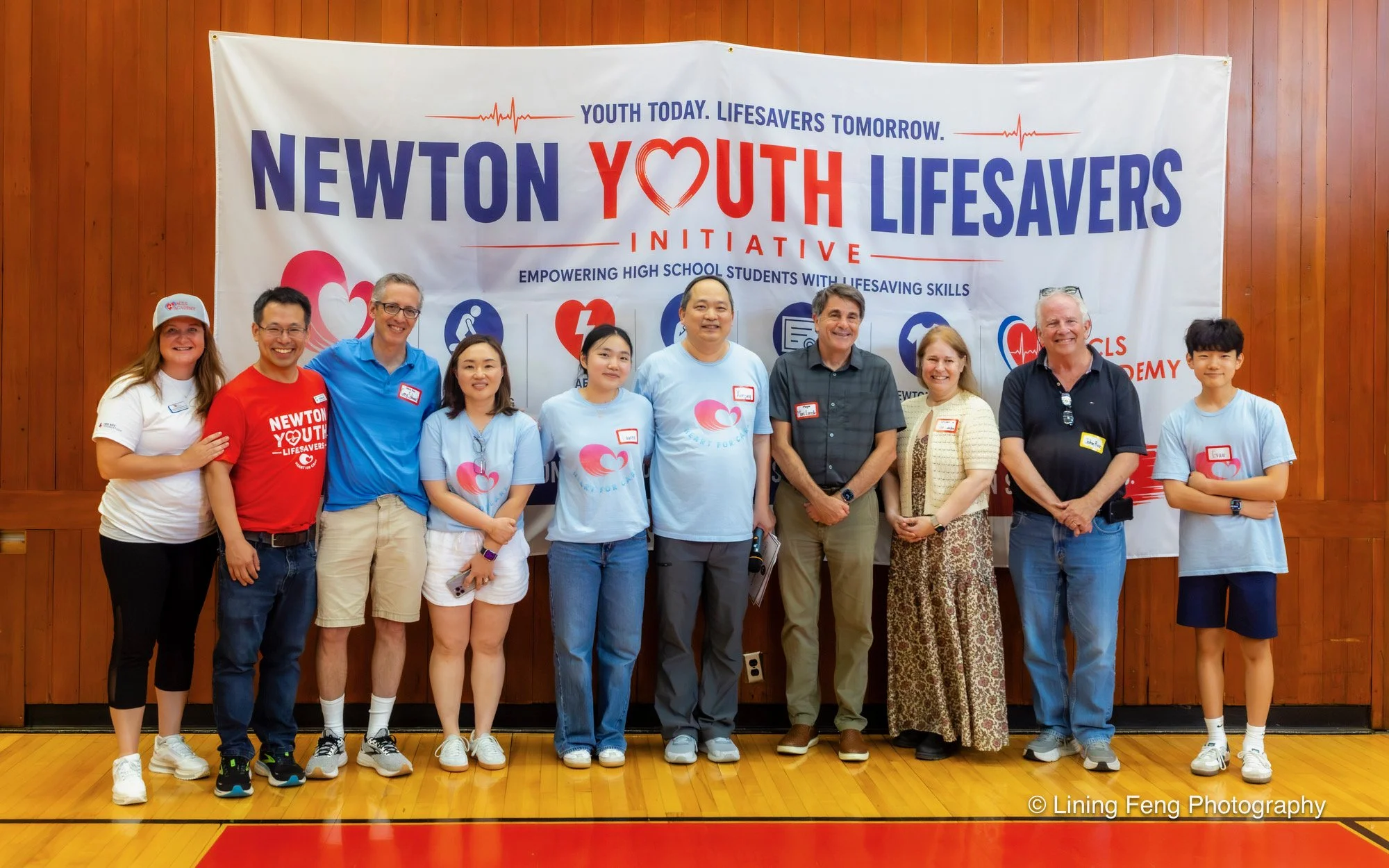
The event was more than a class. It was a youth-led initiative supported by families, volunteers, healthcare professionals, and local officials.
Newton School Committee member Victor Lee reminded students that the skills could be needed at any time. State Representative Greg Schwartz encouraged local leaders to consider expanding CPR education in schools. Mayor Marc Laredo also attended the recognition ceremony.
One of the most personal moments came from Dr. Lisa Owens of Brigham and Women’s Hospital. She shared the story of her son, Preston Settles, who experienced cardiac arrest during a high school basketball game. Her message brought the purpose of the training into sharp focus: the person who needs CPR may be a teammate, classmate, friend, or family member.
Youth Today. Lifesavers Tomorrow.
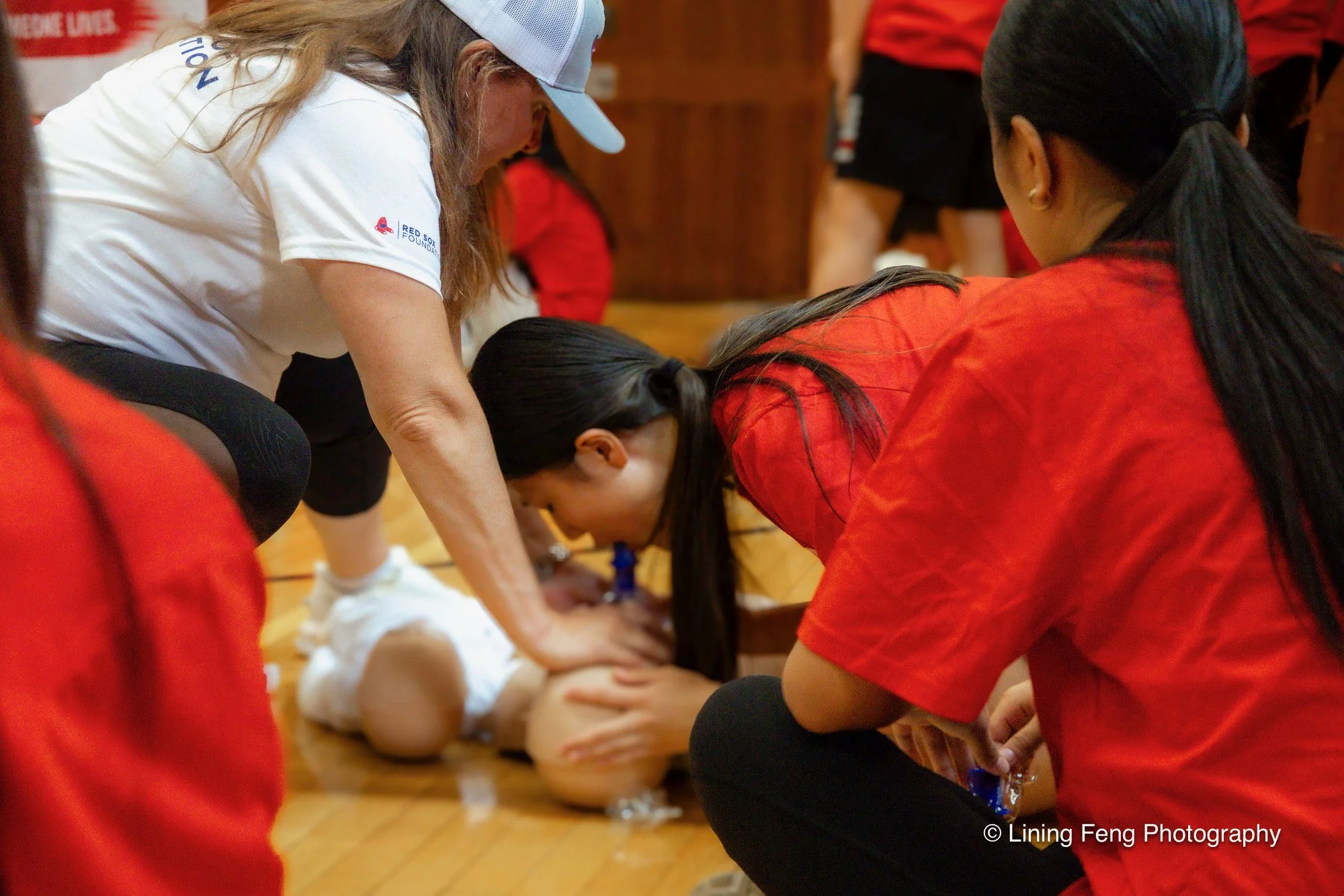
Massachusetts is one of nine states that do not require CPR instruction before high school graduation, according to the Newton Patch coverage of the event.
Lauren and Evan did not wait for a statewide requirement. They identified an opportunity within their own community and began building the program themselves.
That is what makes the Newton initiative especially powerful. The students were not simply invited to attend a training someone else had planned. Young people helped create the opportunity, encourage participation, and make lifesaving education relevant to their peers.
The banner displayed behind the newly certified students captured the vision perfectly: Youth Today. Lifesavers Tomorrow.
After the event, the organizers thanked Shelley and the ACLS Academy team for helping them navigate the planning process and deliver the training.
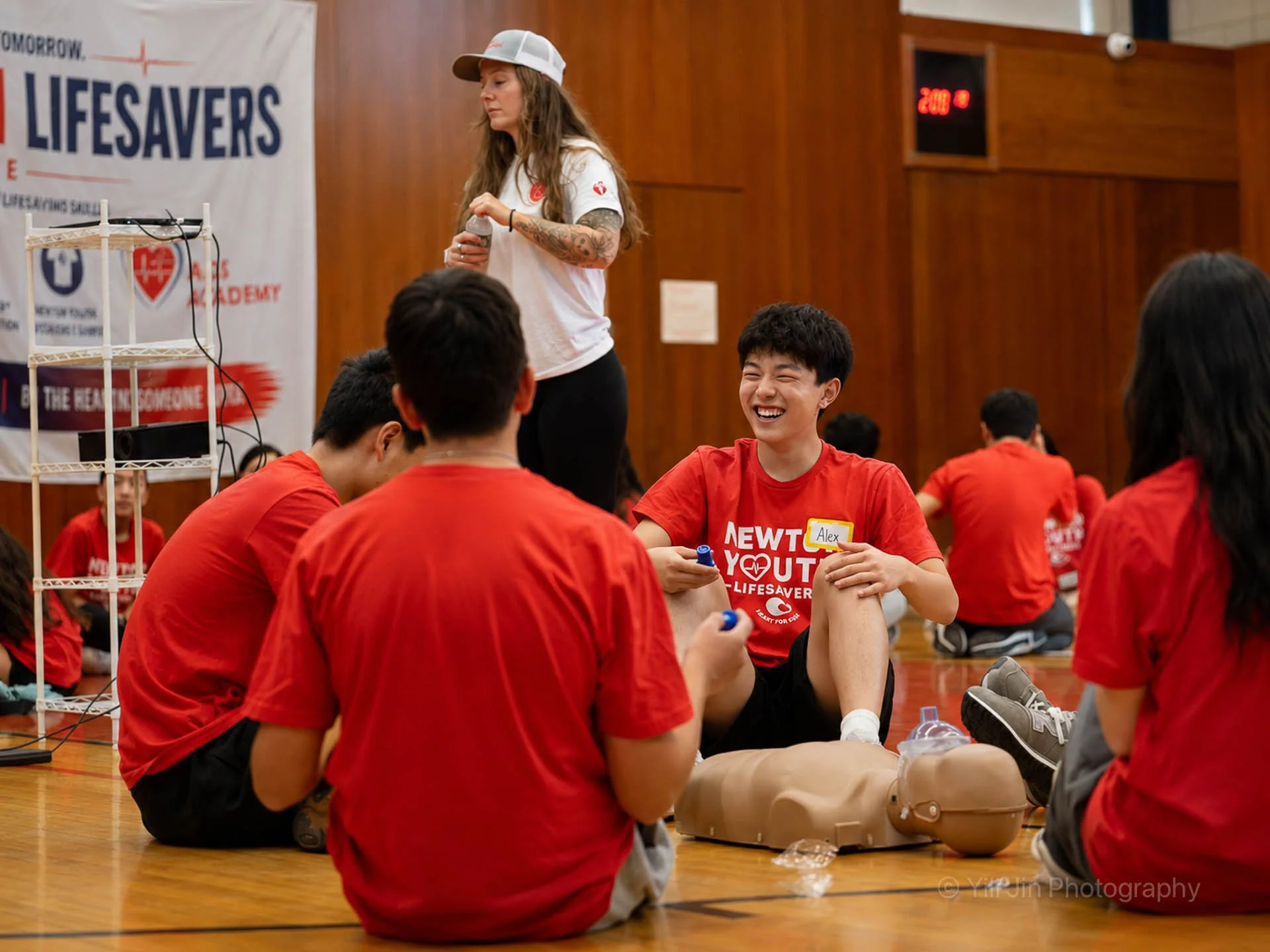
“It was great to see the students become more comfortable and confident as the training went on.”
That progression is one of the most meaningful parts of CPR education. Students may begin unsure of their ability to respond. Through instruction, repetition, and realistic practice, the steps become more familiar. Hesitation begins to give way to capability.
The organizers hope to make the Newton Youth Lifesavers Initiative an annual event, allowing the impact to extend well beyond its inaugural class.
In Hanover, CPR Training Becomes a Community Resource
Several months earlier, another local partnership was expanding access to CPR certification.
On March 26, Hanover Public Schools’ Office of Family and Community Engagement partnered with the Hanover Public Schools Health Services Department and ACLS Academy to offer a free community CPR certification class at Hanover High School.
The American Heart Association Heartsaver CPR course was open to Hanover community members age 18 and older. Registration was limited to 15 participants, keeping the class small enough for focused instruction, individual practice, and instructor feedback.
For adults who have considered learning CPR but have not known where to begin, a local community program can remove several obstacles at once. Participants did not need to search for a distant class, determine which course was appropriate, or absorb the cost of certification. The opportunity was brought into a familiar community setting and offered at no charge to participants.
The class also built upon ACLS Academy’s longstanding relationship with Hanover Public Schools. Previous training has prepared school nurses, substitute nurses, educators, and other staff in lifesaving skills. This community class extended preparedness beyond school employees and invited adult residents to become part of that growing safety network.
Access Changes Who Gets Trained
Most people understand that CPR can save a life. Awareness, however, does not automatically lead to training.
Cost, travel, scheduling, uncertainty, and intimidation can all become barriers. Some people assume CPR certification is intended only for healthcare professionals. Others plan to register eventually but never find the right opportunity.
Community-based programs change that equation.
When training is local, affordable, and organized through a trusted school, youth group, workplace, or community organization, participation becomes easier. People are more likely to attend with friends, classmates, coworkers, or neighbors. The experience feels connected to their everyday lives rather than separate from them.
The Newton and Hanover events reached different generations, but both brought training to people where they already learn, gather, and build relationships.
The Community Brings the Vision. ACLS Academy Brings the Training.
Successful community programs depend on partnership.
Local organizers understand their audience. They know where people gather, which barriers exist, and how to communicate with families, students, and residents. They bring trust, relationships, energy, and a reason for people to participate.
ACLS Academy brings the instructional structure behind the event. Its team provides experienced instructors, training equipment, current American Heart Association course content, skills evaluation, and the systems required for certification.
For the Newton organizers, Shelley and the ACLS Academy team also provided guidance before the event. That support helped Lauren, Evan, and their family turn a youth-led idea into a coordinated training program for 50 students.
This is an important distinction. ACLS Academy did not arrive with a predetermined community project and ask people to participate. It listened to what local leaders wanted to accomplish and helped them build a credible path forward.
A Nation of Lifesavers Grows Locally
The American Heart Association’s Nation of Lifesavers initiative is working to increase CPR awareness, bystander response, and survival from cardiac arrest across the country.
Professional sports partnerships, national campaigns, and large public events help bring extraordinary visibility to that mission. ACLS Academy instructors have participated in that work, including CPR education connected to the American Heart Association and the Red Sox at Fenway Park.
But a Nation of Lifesavers cannot be built by major events alone.
It also grows through a class of Hanover adults gathering at the local high school.
It grows when two students decide their peers should graduate with more than academic knowledge.
It grows when a nervous participant performs another round of compressions and begins to trust what they have learned.
It grows when community leaders, families, schools, and training professionals recognize that preparedness is a shared responsibility.
Every trained person strengthens the safety net around everyone else.
Communities Do Not Have to Wait
A safer community does not always begin with a large grant, new law, or statewide program. Sometimes it begins with a smaller question:
Who in our community does not yet have access to lifesaving training?
For Heart for Care, the answer was local high school students.
For Hanover’s Office of Family and Community Engagement, it was adult community members.
Another organization might identify coaches, childcare providers, faith leaders, restaurant employees, summer camp staff, or workplace teams.
The audience may change, but the next step is the same. Bring together the people who understand the community and the professionals who can deliver high-quality training.
Lauren and Evan proved that young people do not have to wait to become leaders. Hanover demonstrated that family and community engagement can include emergency preparedness. Both initiatives showed that CPR education becomes more powerful when communities help shape it.
That is how lifesaving capacity grows from the ground up, one local idea and one newly trained responder at a time.
Learn More
Every community training initiative adds another layer of preparedness. Explore more stories about the instructors, organizations, and everyday people helping grow the American Heart Association’s Nation of Lifesavers:
Turning Bystanders into Lifesavers: A Winning Game Plan from the AHA
The Ripple Effect of CPR Training: How One Instructor in Glendora, Mississippi Saved a Life
World Heart Day: Empowering Communities Through Heart Health and Emergency Training
From the Cafeteria to the Classroom: Belmont Food Services Staff Become Lifesavers
ACLS Academy is a leading American Heart Association-aligned training center serving the Greater Boston area, with locations in Quincy, Bridgewater, and Newton Center. Offering ACLS, BLS, PALS, CPR/AED, First Aid, and Advanced Stroke Life Support (ASLS) certification courses, ACLS Academy is staffed by a multidisciplinary team of experienced healthcare professionals, including nurses, physicians, paramedics, and clinical educators. Through hands-on, scenario-based training grounded in real-world experience, ACLS Academy prepares healthcare providers and community members to respond confidently in life-threatening emergencies. Browse our catalogue of courses.