
From Classroom to Fenway Park: ACLS Academy Instructors Join the Red Sox in Building a Nation of Lifesavers
On the afternoon of Thursday, June 4, as the Boston Red Sox take on the Baltimore Orioles at Fenway Park, thousands of fans will be there for the game. Many, however, will leave with something far more powerful than a final score.
After the last out, the outfield will transform into one of the most unique training spaces in baseball: a field full of CPR manikins, music, and community members learning Hands-Only CPR together.
In celebration of CPR & AED Awareness Week, the Red Sox Foundation and the American Heart Association are co-hosting a large-scale Hands-Only CPR training at Fenway Park, designed to give everyday bystanders the skills and confidence to act when someone experiences sudden cardiac arrest. Among the instructors guiding fans through each compression will be six ACLS Academy team members, volunteering their time to help build what the American Heart Association calls a Nation of Lifesavers.
Bringing ACLS Academy to the Ballpark
ACLS Academy has always believed that lifesaving education belongs wherever people live, work, and gather, not just inside hospitals and classrooms.
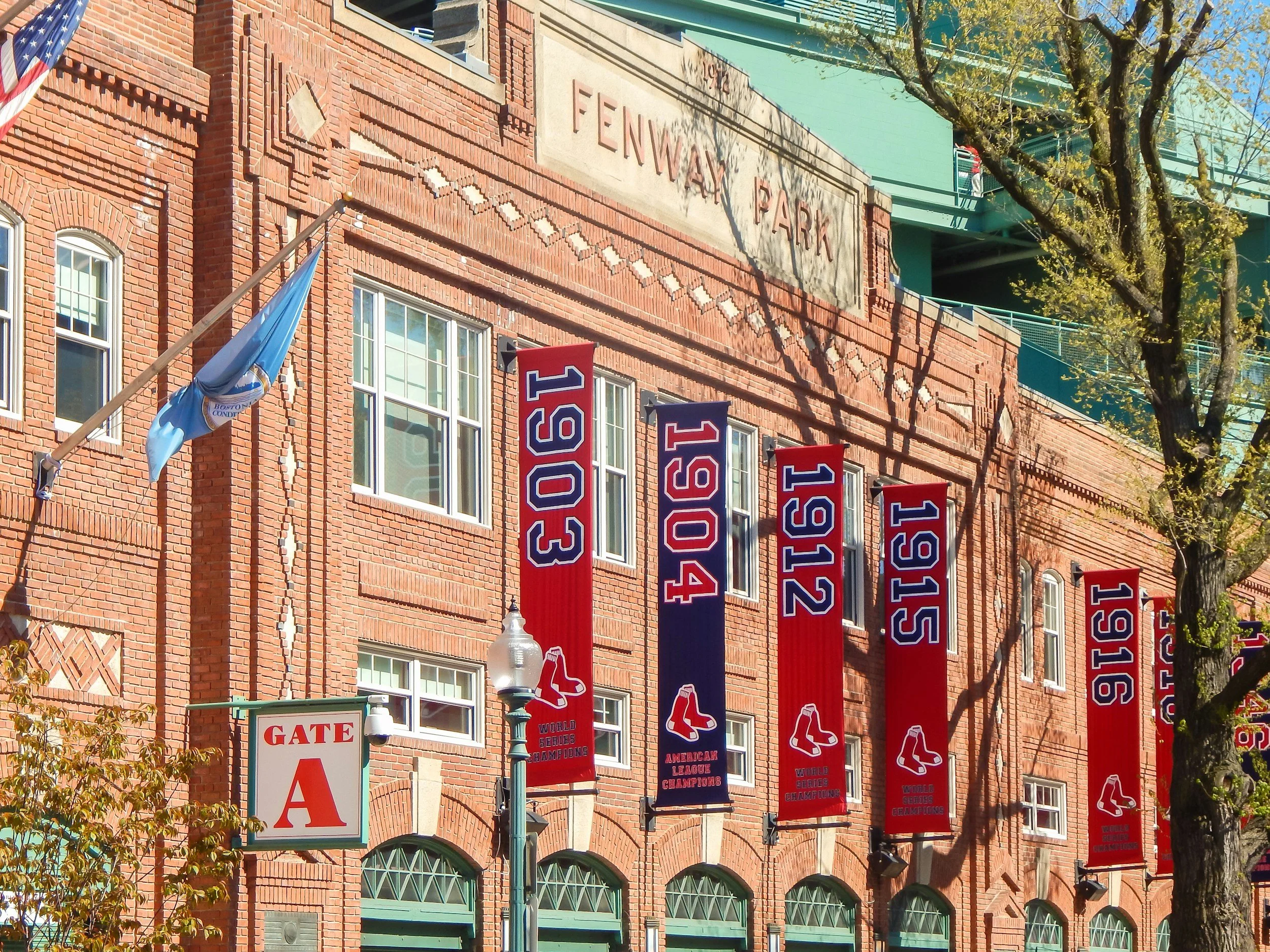
That mission has taken instructors into schools, workplaces, and community centers from Greater Boston to the Mississippi Delta. This June, it extends all the way to the outfield at America's most iconic ballpark.
Working alongside American Heart Association staff and other volunteers, the six ACLS Academy instructors will help lead Hands-Only CPR training for hundreds of fans in carefully organized pods across the outfield. Participants will practice calling 911, recognizing cardiac arrest, and delivering strong, effective chest compressions to the beat of familiar music at 100 to 120 compressions per minute.
The goal is simple: make CPR feel approachable, memorable, and doable for anyone in the stands.
The event is part of a full day of CPR-focused activities at Fenway, including concourse education near Gate C, a special Heartsaver Awards presentation, and a powerful on-field training experience after the game. Thanks to the collaboration between the Red Sox Foundation and the American Heart Association, one afternoon at the ballpark will become an opportunity to strengthen emergency preparedness throughout the community.
Why This Volunteer Work Matters
The skills being taught on the field at Fenway Park may seem simple, but they have the power to save lives.
Each year, more than 350,000 out-of-hospital cardiac arrests occur in the United States, and only about 40 percent of people who experience cardiac arrest receive CPR from a bystander. Immediate CPR can double or even triple a person's chance of survival, but those outcomes depend on someone nearby being willing and ready to act.
That is where community-based training events like the Fenway Hands-Only CPR experience become so important.
The people who step forward during emergencies are not always healthcare professionals. They are parents in the stands, ushers in the aisle, food service workers on the concourse, coaches, teachers, friends, and neighbors.
As Dr. Shelley Lynch, co-founder of ACLS Academy, often emphasizes, lifesaving skills should not be reserved for healthcare providers alone. The more people who feel confident responding during an emergency, the stronger and safer our communities become.
By volunteering at Fenway, ACLS Academy instructors are helping turn Red Sox fans into potential first responders long before an ambulance ever arrives. Each fan who walks off the field with new skills represents another link in a growing network of lifesavers across Greater Boston and beyond.
For Providers, By Providers — On and Off the Field
ACLS Academy's philosophy has always been "For Providers, by Providers," with courses taught by actively practicing nurses and clinicians who understand what emergencies look and feel like in real life.
At Fenway, that same real-world experience will shape how instructors teach Hands-Only CPR to people who may never have set foot inside a hospital but who might one day be the only person standing between a stranger and a tragic outcome.
The academy's volunteer instructors collectively teach a wide range of emergency response and healthcare provider courses, including ACLS, BLS, PALS, PEARS, and Heartsaver CPR/AED training. Their experience caring for patients in real clinical environments allows them to translate lifesaving concepts into practical, accessible skills for learners of all backgrounds.
At Fenway, they will bring the same calm, supportive teaching style they use in the classroom into a much louder and more energetic setting: a Major League Baseball stadium filled with fans.
Their presence underscores a simple but powerful message: lifesaving education is not an obligation. It is a shared responsibility and, for many providers, a calling.
Building a Nation of Lifesavers, One Training at a Time
The American Heart Association's Nation of Lifesavers initiative aims to double survival rates from sudden cardiac arrest by 2030 by expanding CPR education and empowering more bystanders to act when every second matters.
Events like the Hands-Only CPR training at Fenway Park bring that vision to life. They help transform CPR from something people have heard about into a skill they feel confident using.
At ACLS Academy, the impact of that education can be measured in real people and real communities.
Earlier this year, ACLS Academy partnered with Partners in Development to train community leaders in the Mississippi Delta as American Heart Association HeartSaver Instructors. Just weeks after completing his training, James "Pound" Willis was called into action when a man suddenly collapsed at a local gathering. Drawing on the skills and confidence he had gained through training, Pound immediately began CPR and helped save the man's life while waiting for emergency responders to arrive.
Closer to home, ACLS Academy recently provided Heartsaver CPR training for 24 food services staff members representing all seven schools in the Belmont School District. Motivated by recent emergency situations affecting people within their community, staff learned CPR, AED use, choking response protocols, and practical strategies for remaining calm during a medical emergency. Their training helped ensure that hundreds of students, educators, and colleagues have more prepared responders nearby every day.
These stories demonstrate why CPR education matters.
The people who step forward during emergencies are not always healthcare professionals. They are coaches, cafeteria workers, parents, coworkers, neighbors, and community leaders who were given the opportunity to learn.
Whether that training happens in a school cafeteria, a community center in the Mississippi Delta, or on the outfield grass at Fenway Park, every participant strengthens the chain of survival and helps create safer, more prepared communities.
That is how a Nation of Lifesavers is built.
ACLS Academy provides American Heart Association training courses for healthcare professionals, workplaces, schools, and community organizations throughout Greater Boston. Training is available at locations in Quincy, Bridgewater, and Newton Centre and includes CPR/AED certification, BLS, ACLS, PALS, PEARS, ACLS-EP, ASLS, TNCC, ENPC, NRP, First Aid, Bloodborne Pathogens, and instructor certification courses. ACLS Academy also offers on-site CPR and emergency response training for businesses, schools, municipalities, and community organizations committed to building safer, more prepared communities.