
The New Generation of Healthcare Providers Is Entering a Different World
Today’s healthcare providers are entering one of the most demanding and rapidly evolving healthcare environments in modern history.
Hospitals and healthcare systems across the country continue to face staffing shortages, rising patient volumes, workforce burnout, financial strain, and increasingly complex patient care needs. At the same time, providers are adapting to rapidly advancing technology, digital workflows, telehealth expansion, and new models of care delivery.
For healthcare students and early-career clinicians, the expectations can feel enormous.
New providers are expected to think critically, communicate effectively, navigate sophisticated technology, and respond confidently during high-pressure situations, often very early in their careers. Clinical knowledge alone is no longer enough. Modern healthcare also demands adaptability, resilience, teamwork, and calm decision-making under pressure.
That is why hands-on emergency response education and practical clinical training have never been more important.
At ACLS Academy, training is designed to help providers build not only certifications, but also confidence for the realities of modern healthcare.
Healthcare Is Becoming More Complex and More Demanding
Healthcare has always been challenging, but the pace and complexity of today’s clinical environment are unlike anything previous generations of providers experienced.
According to recent workforce research from the American Hospital Association, healthcare organizations continue to navigate rising labor costs, workforce shortages, inflation, administrative burden, and increasing demand for care driven by an aging population.
Patients are also presenting with more medically complex conditions, often requiring coordinated care across multiple specialties and healthcare teams.
At the same time, healthcare workers themselves continue to carry the emotional weight of years of strain. Burnout, staffing vacancies, workplace stress, and growing administrative responsibilities remain major concerns across the industry.
Yet despite these pressures, providers are still expected to deliver calm, compassionate, and highly skilled patient care during some of life’s most critical moments.
That reality has changed the way healthcare professionals must be trained.
Today’s providers need more than academic understanding. They need preparation that reflects the speed, unpredictability, and intensity of real clinical environments.
Clinical Confidence Cannot Be Learned From a Textbook Alone
Textbooks provide an essential foundation for healthcare education, but real-world emergencies rarely unfold in neat, predictable ways.
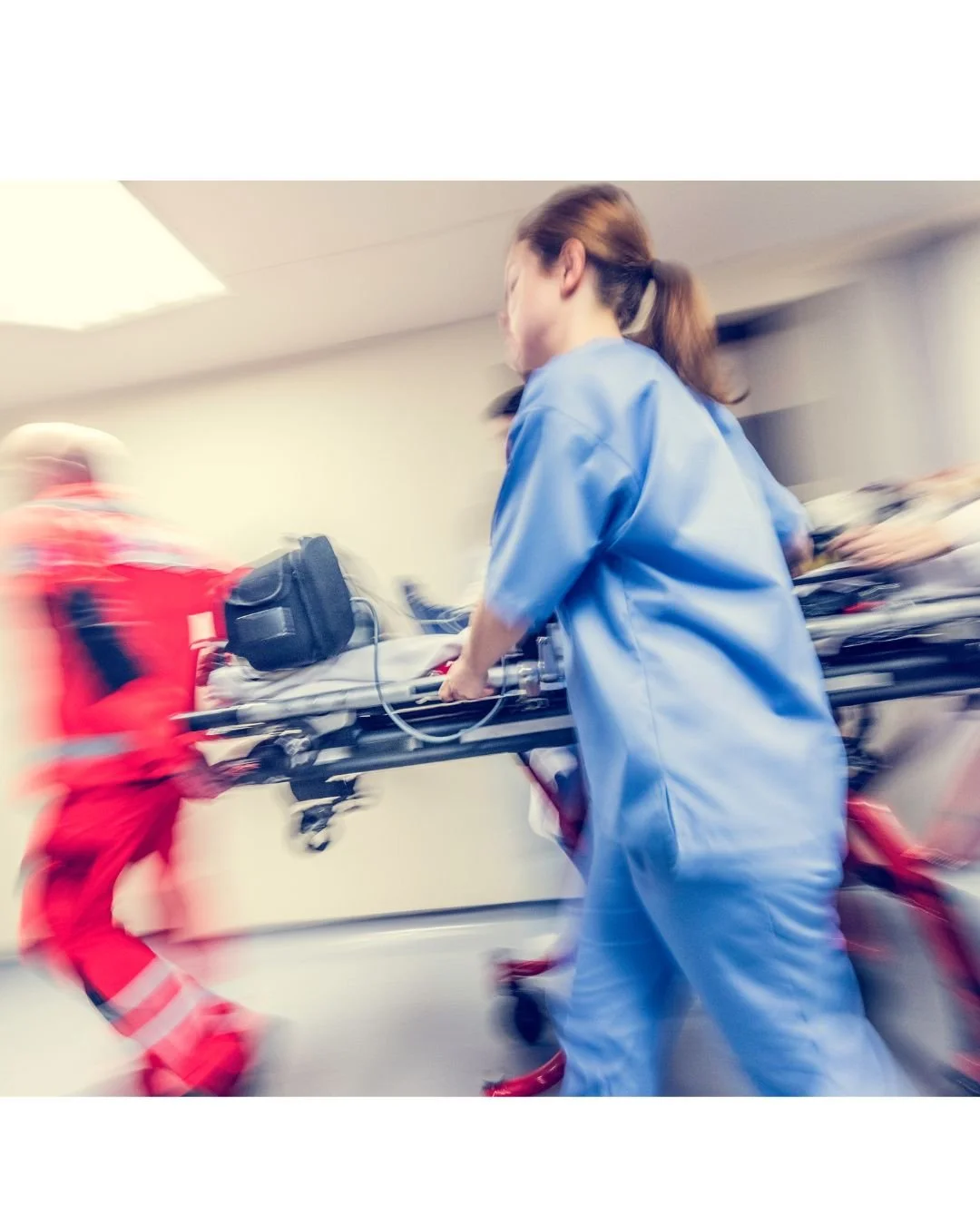
A patient suddenly deteriorates. Monitors begin alarming. Team members rush into the room. Multiple decisions need to happen at once.
In these moments, providers must assess information quickly, communicate clearly, prioritize interventions, and remain composed under pressure.
Those are skills developed through practice, repetition, and hands-on training.
Simulation-based education has become increasingly important because it allows providers to apply clinical knowledge in realistic emergency scenarios before facing those situations with actual patients. Through courses such as ACLS, BLS, PALS, and ENPC, healthcare professionals practice high-stakes scenarios that help strengthen both technical abilities and critical thinking skills.
Providers learn how to:
Recognize and respond to emergencies quickly
Communicate effectively during high-pressure situations
Prioritize patient care decisions
Lead or participate within emergency response teams
Build confidence through repetition and realistic simulation
This type of practical experience helps bridge the gap between classroom learning and real patient care.
For many healthcare providers, that confidence becomes one of the most valuable outcomes of training.
Technology Is Changing Healthcare, But Human Skills Matter More Than Ever
Modern healthcare is becoming increasingly technology-driven.
Hospitals and healthcare systems are rapidly expanding the use of telehealth platforms, AI-assisted documentation, digital scheduling systems, monitoring technology, and clinical decision-support tools.
These innovations are helping improve efficiency, reduce administrative burden, and support patient care in important ways.
However, technology alone cannot replace human judgment.
During medical emergencies, healthcare providers still must interpret situations, make rapid decisions, communicate with team members, reassure patients and families, and adapt to constantly changing conditions.
A monitor may recognize an arrhythmia. A digital tool may provide information. But providers are still the people making the decisions that guide patient care.
That is why communication, leadership, teamwork, and emotional composure remain some of the most important skills in medicine.
As healthcare technology continues to evolve, the human side of healthcare becomes even more valuable.
Why Mentorship and Hands-On Instruction Matter
One of the most important parts of healthcare education is learning from experienced providers who understand what emergency care truly looks like in practice.
Strong instructors do more than teach protocols. They help students understand how to remain calm during stressful situations, communicate effectively with colleagues, and apply clinical knowledge in real-world environments.
At ACLS Academy, the “For Providers, by Providers” philosophy reflects this commitment to practical, experience-driven education. Many instructors are actively practicing nurses and healthcare professionals who bring firsthand clinical insight directly into the classroom.
That real-world perspective matters.
Healthcare students and early-career providers often benefit most from supportive learning environments where they can ask questions, practice skills, and build confidence without intimidation.
Hands-on instruction, realistic scenarios, and experienced mentorship help transform training from passive learning into meaningful professional preparation.
The Future of Healthcare Will Depend on Prepared Providers
The future of healthcare will require more than technical knowledge alone.
It will require providers who are adaptable, resilient, collaborative, and prepared to lead during moments of uncertainty. It will require healthcare professionals who can navigate rapidly changing environments while still delivering compassionate, patient-centered care.
Continuing education and emergency response training play a critical role in building that preparedness.
As healthcare systems continue evolving, providers who invest in practical training, clinical confidence, and lifelong learning will be better equipped to meet the challenges ahead.
The next generation of healthcare providers is entering a very different world than the one previous generations knew.
Strong training helps ensure they do not face those challenges alone.
ACLS Academy is an American Heart Association-aligned Training Center and All-Star award recipient offering AHA, ENA, and AWHONN training courses throughout Greater Boston, including locations in Quincy, Bridgewater, and Newton Centre. Course offerings include ACLS, BLS, PALS, PEARS, ACLS-EP, Fetal Heart Monitoring, TNCC, ENPC, TNCC, NRP, CPR/AED, First Aid, Bloodborne Pathogens training, and instructor certification courses designed for healthcare students, medical professionals, workplaces, and community organizations.