
High Blood Pressure Education Month: The Silent Threat and What Your Numbers Are Really Telling You
May is High Blood Pressure Education Month, a time dedicated to raising awareness about one of the most common—and most overlooked—health conditions affecting adults today.
Often referred to as the “silent killer,” high blood pressure (hypertension) rarely presents noticeable symptoms. Yet it remains a leading contributor to heart disease, stroke, and other life-threatening conditions. According to the Centers for Disease Control and Prevention, nearly half of adults in the United States have high blood pressure, and many do not even know it.
Understanding what high blood pressure is, what your numbers mean, and how it impacts your long-term health is a critical first step in prevention.
Why High Blood Pressure Is Called the Silent Killer
Unlike many medical conditions, high blood pressure does not typically make itself known through pain or discomfort.
There is no early warning sign. No obvious symptom that prompts immediate action.
Instead, elevated blood pressure quietly places strain on the cardiovascular system over time. It can damage blood vessels, increase the risk of clot formation, and force the heart to work harder than it should. Left unmanaged, this can lead to serious outcomes such as heart attack, stroke, kidney disease, and even cognitive decline.
For many people, the first indication of a problem is not a diagnosis—it is an emergency.
Beyond the Cuff: What Your Blood Pressure Numbers Really Mean
Most people have heard that a “normal” blood pressure is around 120/80. But fewer understand what those numbers actually represent.
Systolic pressure (top number): the force of blood against artery walls when the heart beats
Diastolic pressure (bottom number): the pressure in the arteries between beats
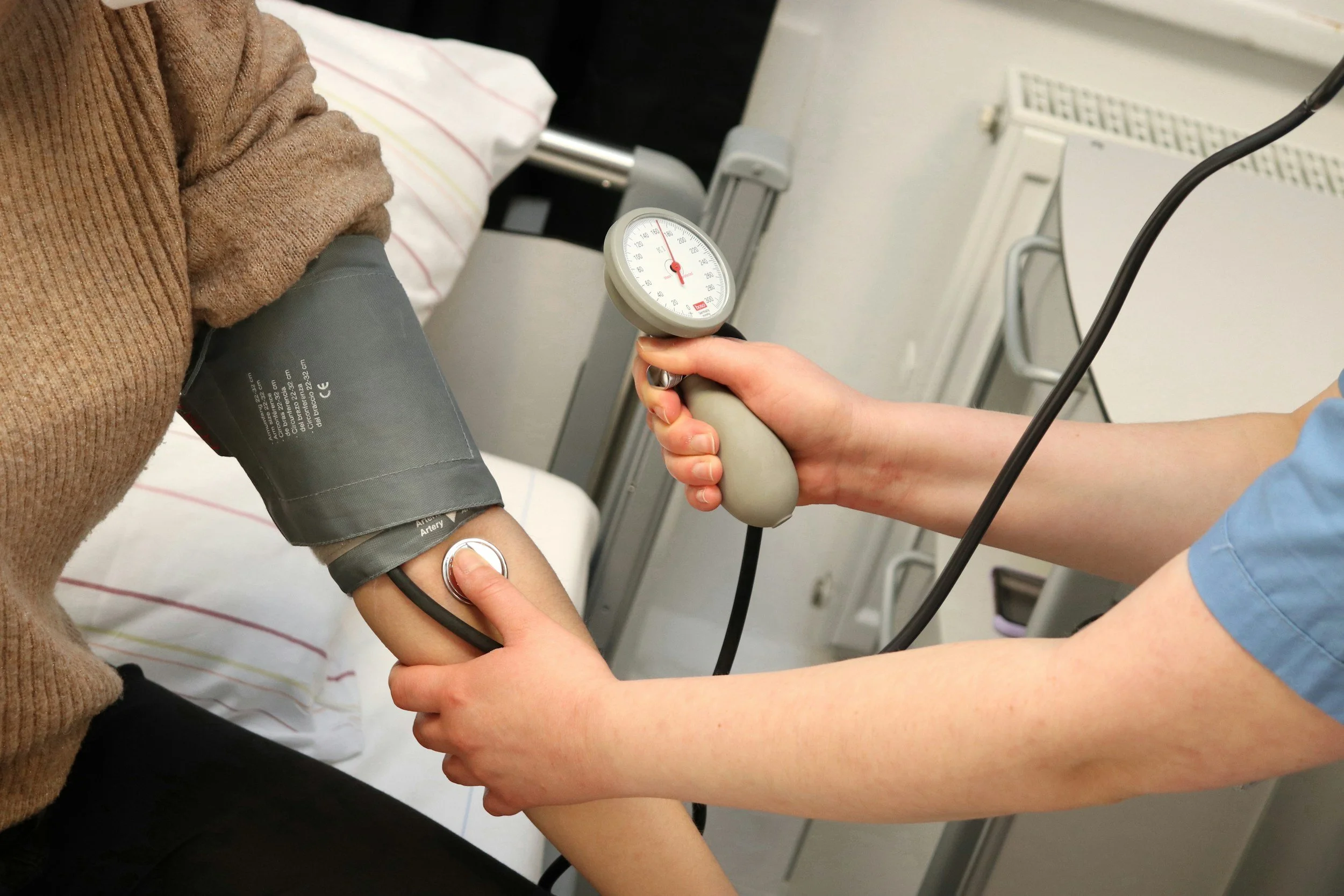
These numbers provide important insight into how hard your heart is working and how much resistance your blood vessels are experiencing.
Blood pressure categories are generally defined as:
Normal: Less than 120/80
Elevated: 120–129 / less than 80
Stage 1 Hypertension: 130–139 / 80–89
Stage 2 Hypertension: 140 or higher / 90 or higher
One of the most common misconceptions is that “slightly high” blood pressure is not a concern. In reality, even elevated levels can increase risk over time, particularly if they go unmanaged.
These numbers are not just data points—they are early indicators of potential cardiovascular stress.
How Everyday Life Is Driving Risk
While genetics and age play a role, lifestyle factors are increasingly contributing to rising rates of hypertension.
Modern routines often include:
Diets high in sodium and ultra-processed foods
Sedentary habits and limited physical activity
Chronic stress and insufficient sleep
Alcohol consumption
Over time, these factors can compound, gradually increasing blood pressure without immediate awareness.
This is what makes hypertension particularly dangerous. It develops quietly, often without interruption to daily life, until it reaches a point where intervention is necessary.
Connecting the Dots: From High Blood Pressure to Medical Emergencies
High blood pressure is not just a condition. It is a major risk factor behind many of the emergencies healthcare providers respond to every day.
Uncontrolled hypertension significantly increases the likelihood of:
Stroke, due to weakened or blocked blood vessels in the brain
Heart attack, as arteries become narrowed or damaged
Cardiac arrest, when the heart’s electrical system is compromised
These are the very scenarios that emergency response training is designed to address.
Understanding and managing blood pressure is one of the most important ways to reduce the risk of these life-threatening events before they occur.
Where Training and Awareness Come Together
While prevention is essential, preparation also plays a critical role.
ACLS Academy, a certified American Heart Association Training Center and 2025 AHA All-Star Award recipient, provides hands-on, scenario-based training designed to prepare individuals for real-life emergencies. With three training locations in Quincy, Bridgewater, and Newton Center, and more than 10,000 students trained, ACLS Academy equips both healthcare providers and community members with the skills needed to respond confidently in critical situations.
Courses such as BLS, ACLS, and CPR/AED focus on recognizing and responding to cardiac and respiratory emergencies—many of which are linked to underlying conditions like high blood pressure.
Training reinforces the connection between awareness and action. It prepares individuals not only to understand risk, but to respond when it matters most.
Small Changes, Meaningful Impact
High Blood Pressure Education Month is not just about awareness. It is about action.
Managing blood pressure does not require perfection. It starts with small, consistent steps:

Monitoring your numbers regularly
Reducing sodium and processed food intake
Staying physically active
Prioritizing sleep and stress management
Seeking medical guidance when needed
If it has been a while since you last checked your blood pressure, consider making today the day. A quick reading at home, at a pharmacy, or during a routine appointment can provide valuable insight into your health.
These small actions, over time, can significantly reduce risk.
Because when it comes to high blood pressure, what you cannot feel can still affect your health in profound ways.
And understanding your numbers may be one of the most important things you can do to protect your future.
ACLS Academy provides American Heart Association certification courses across the Greater Boston area, including Quincy, Bridgewater, and Newton Center. Courses include ACLS, BLS, PALS, CPR/AED, and First Aid, designed for healthcare professionals, first responders, and individuals seeking life-saving skills and certification. Browse our catalogue of courses.