
ENPC and the New Era of Pediatric Readiness
Pediatric emergencies are different. The anatomy is different. The physiology is different. The communication is different. And the margin for error is often smaller.
In 2026, pediatric emergency care is under renewed national focus. A new joint statement on pediatric readiness in emergency departments, issued by the Emergency Nurses Association, American Academy of Pediatrics, American College of Emergency Physicians, and American College of Surgeons, reinforces what emergency nurses already know: children require specialized, consistent, high-quality emergency care standards.
The statement informs the work of the National Pediatric Readiness Project, an initiative of the Emergency Medical Services for Children Program, part of the Department of Health and Human Services’ Health Resources and Services Administration, in collaboration with multidisciplinary organizations. The NPRP aims to support the more than 5,000 emergency departments nationwide in improving pediatric capabilities through self-assessments, benchmarking, checklists, quality dashboards, and other resources.
This recent national conversation makes this the perfect time to revisit ENPC, the Emergency Nursing Pediatric Course, and explore why it remains a cornerstone of pediatric emergency competency.
Why Pediatric Readiness Is a National Priority
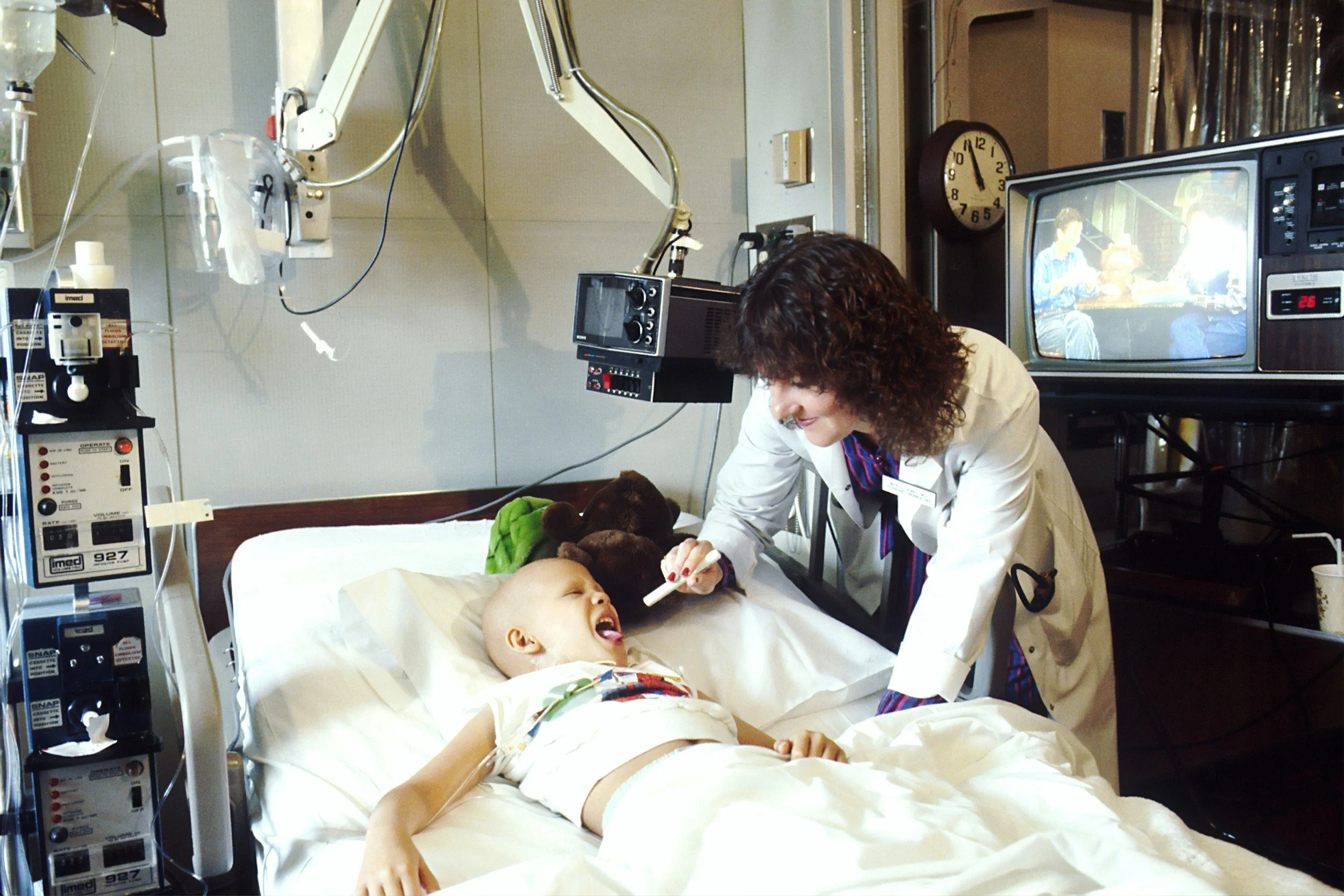
Children represent a significant portion of emergency department visits nationwide. Yet not every hospital is a dedicated children’s hospital. Many community EDs care for pediatric patients alongside adults. That reality demands preparedness.
Pediatric readiness standards emphasize:
Age-appropriate assessment skills
Equipment sized correctly for children
Evidence-based stabilization protocols
Ongoing pediatric-specific education
Training is not optional in this framework. It is foundational.
This is where ENPC fits in — not as a checkbox certification, but as a structured, evidence-based course designed to elevate pediatric assessment, critical thinking, and intervention skills across emergency settings.
When national organizations push for improved readiness, ENPC becomes one of the clearest pathways to achieving it.
How ENPC Aligns With Modern Pediatric Emergency Standards
ENPC is built around systematic pediatric assessment and early recognition of deterioration. Its framework reinforces structured decision-making — exactly what readiness standards demand.
One of the course’s core pillars is the Pediatric Assessment Triangle (PAT). This rapid, visual assessment tool allows nurses to evaluate:
Appearance
Work of breathing
Circulation to the skin
Within seconds, clinicians can categorize a child as stable, respiratory distress, shock, or failure. That early pattern recognition is not theoretical. It directly impacts outcomes.
Beyond initial assessment, ENPC dives into:
The child with respiratory compromise
Shock and sepsis presentations
Trauma and injury management
Neurological emergencies
The child with special health care needs
Rash and infectious presentations
The latest editions of ENPC materials reflect evolving pediatric priorities, including stabilization principles and complex patient considerations. That evolution matters. Pediatric emergency care is not static, and neither is the course.
ENPC also mirrors current educational realities. Flexible learning options, interactive case scenarios, and practical skill stations allow nurses to apply concepts rather than simply memorize them. The course emphasizes application because pediatric emergencies demand performance under pressure.
By combining evidence-based content with scenario-driven learning, ENPC strengthens both knowledge and confidence. And confidence, in pediatric emergencies, is critical.
Bridging Competency Gaps in Pediatric Emergency Nursing
Research consistently shows variability in pediatric emergency competency, particularly in community hospitals and mixed-population emergency departments.
Experience helps. Additional pediatric-focused education helps more.
ENPC levels the field by providing:
A standardized pediatric assessment approach
Consistent language across care teams
Reinforcement of early intervention principles
Clear stabilization algorithms
For newer nurses, ENPC accelerates confidence and structured thinking.
For experienced nurses, it sharpens clinical instincts and reinforces best practices.
For departments, it creates a shared pediatric care framework.
If pediatric readiness is the goal, ENPC is one of the most direct and practical tools available to reach it.
Training With ACLS Academy: Experience You Can Trust
Of course, the quality of instruction matters just as much as the curriculum.
Training with ACLS Academy means learning from instructors who are not simply certified — they are seasoned clinicians deeply rooted in emergency and critical care practice.
ACLS Academy is known for:
Expert instructors with real-world emergency experience
Engaging, interactive classroom environments
Clear, structured instruction that builds confidence
A commitment to high standards and evidence-based practice
For healthcare professionals in Massachusetts and beyond, ACLS Academy has earned a strong reputation for delivering advanced life support and specialty training with professionalism and depth.
ENPC is not a passive lecture. It requires critical thinking, discussion, and scenario participation. The Academy’s instructors foster that engagement while maintaining a supportive environment that encourages questions and practical application.
When investing in pediatric emergency education, the provider delivering the course matters. ACLS Academy brings credibility, clinical depth, and a proven commitment to quality training.
The Bottom Line: ENPC Is More Relevant Than Ever
The renewed national focus on pediatric readiness sends a clear message: emergency departments must be prepared to care for children with consistency and expertise.
ENPC supports that mission.
It strengthens early recognition skills.
It reinforces structured pediatric assessment.
It builds confidence in high-risk, low-frequency scenarios.
It aligns with modern pediatric emergency standards.
For individual nurses, ENPC enhances competency and career credibility.
For departments, it strengthens pediatric readiness.
For patients and families, it improves the quality of care during vulnerable moments.
Pediatric emergencies are high-stakes. Preparation cannot be casual.
If your practice includes caring for children — whether in a busy urban emergency department or a community hospital — ENPC is not just beneficial. It is a strategic investment in professional growth and patient safety.
And when that training is delivered by experienced educators who understand both the science and the realities of emergency nursing, the impact is even greater.
In today’s healthcare landscape, readiness is not a buzzword. It is a responsibility.
________________________________________________________________________________________
ACLS Academy is an authorized American Heart Association (AHA) Aligned Training Center, and most of our classes include an online training component. We offer high-quality courses taught by practicing medical professionals, including ACLS, BLS, TNCC, ENPC, NRP, PALS, PALS Plus, PEARS, ACLS-EP, ASLS, Bloodborne Pathogen, HeartSaver CPR/AED, First Aid, and Instructor Courses.