
Can a Smartwatch Help Detect Heart Disease? What New AHA Research Tells Us
Smartwatches have become part of everyday life for millions of people. They track steps, monitor sleep, and measure heart rate throughout the day. For many, these devices offer motivation and insight into daily habits. But as wearable technology continues to evolve, an important question has emerged. Can a smartwatch do more than track fitness? Could it help identify early signs of heart disease?
Research presented at the American Heart Association Scientific Sessions in November 2025 suggests that the answer may one day be yes. Using artificial intelligence, researchers explored whether data from a smartwatch’s ECG sensor could help detect signs of structural heart disease. The findings are promising, but they also come with important context and limitations that are worth understanding.
What Researchers Shared at the AHA Scientific Sessions
At the American Heart Association’s Scientific Sessions, investigators shared research examining how artificial intelligence analyzed single-lead ECG data collected from consumer smartwatches. The goal was not to diagnose heart disease, but to identify patterns that may be associated with structural abnormalities in the heart.
Structural heart disease includes physical changes to the heart’s muscle, chambers, or valves. These changes can affect how efficiently the heart pumps blood and may increase the risk of heart failure, arrhythmias, and other serious cardiac events. Because early stages can be subtle or asymptomatic, structural heart disease is sometimes discovered only after symptoms worsen.
The researchers trained an AI model to recognize ECG patterns that could correlate with these underlying structural changes. The results suggest that AI-assisted analysis of smartwatch ECG data may help flag individuals who could benefit from further medical evaluation.
The full research abstract, presented at the American Heart Association’s Scientific Sessions, provides additional details on the study design, methodology, and findings.
What Is Structural Heart Disease, and Why It Matters
Structural heart disease is a broad term that refers to abnormalities in the heart’s anatomy. This can include weakened heart muscle, thickened walls, enlarged chambers, or damaged valves. These changes may develop gradually and often go unnoticed in early stages.
Many people with structural heart disease feel mostly well. Fatigue, shortness of breath, or reduced exercise tolerance may be dismissed as stress, aging, or being out of shape. Over time, however, these conditions can progress and increase the risk of serious complications, including sudden cardiac arrest.
Early identification does not prevent every emergency, but it can lead to closer monitoring, medical management, and lifestyle adjustments that improve long-term outcomes. That is why research focused on detection and screening continues to draw attention.
How AI and Smartwatches Were Used in the Study
Many consumer smartwatches already include a single-lead ECG feature that records electrical signals from the heart. Traditionally, this data has been used to detect rhythm abnormalities such as atrial fibrillation. In this research, artificial intelligence was applied to look deeper.
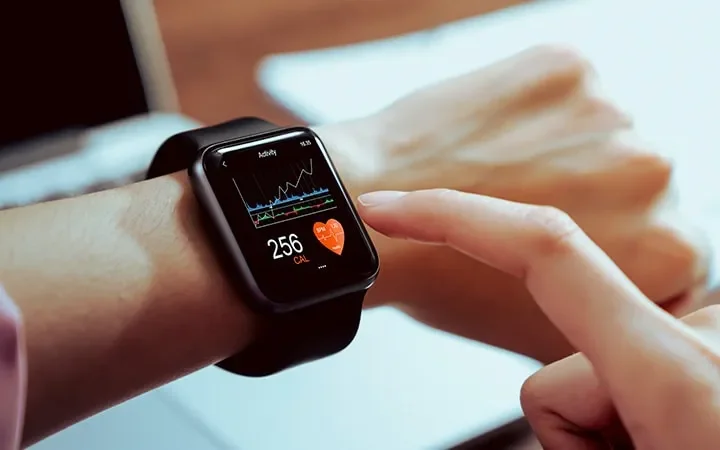
The AI model was trained to analyze subtle ECG patterns that may be associated with changes in heart structure. These patterns are often difficult for the human eye to detect, particularly in a single-lead tracing. By processing large amounts of data, the AI identified signals that could suggest an increased likelihood of structural abnormalities.
It is important to note that the smartwatch did not diagnose heart disease. Instead, it functioned as a screening tool, identifying signals that may warrant follow-up with a healthcare provider and additional testing such as imaging or echocardiography.
Why This Research Is Exciting, but Not a Medical Diagnosis
The potential of AI-assisted wearable technology is exciting. It offers the possibility of earlier awareness and more personalized monitoring. However, it is essential to understand what this technology can and cannot do.
Wearables and AI tools do not replace physicians, diagnostic imaging, or clinical judgment. False positives and false reassurance are real risks if data is misunderstood or acted upon without proper medical guidance. This research highlights a possible tool to support decision-making, not a substitute for professional care.
Technology works best when it complements, rather than replaces, the expertise of trained healthcare professionals.
What This Means for the General Public
For the general public, this research underscores the value of paying attention to heart health and engaging proactively with healthcare providers. Wearable devices may one day help prompt earlier conversations, encourage follow-up testing, or identify trends that should not be ignored.
At the same time, wearing a smartwatch does not eliminate the need for regular medical care or emergency preparedness. Knowing that something may be wrong is very different from knowing what to do when something goes wrong.
Detection Is Important. Preparedness Saves Lives.
Even with advances in early detection, cardiac emergencies can still happen without warning. Sudden cardiac arrest requires immediate action, often long before emergency medical services arrive. In those moments, CPR, AED use, and trained responders remain the most critical factors in survival.
Technology may help identify risk, but preparedness determines outcomes. Detection and response are not competing concepts. They are complementary pieces of a comprehensive approach to heart health.
This is where education and training remain essential. Medical professionals rely on advanced training to respond effectively during cardiac emergencies, whether or not a patient has been previously identified as high risk. Skills must be practiced, guidelines must be updated, and teams must be prepared to act under pressure.
At ACLS Academy, training supports preparedness at every level. The Academy provides comprehensive education for medical professionals across advanced cardiac life support, pediatric and neonatal resuscitation, trauma and emergency nursing, stroke care, and instructor development. Community CPR, AED, and First Aid training further strengthens the chain of survival by empowering bystanders to act until advanced care arrives.
Technology may alert us earlier. Training ensures we are ready when seconds matter.
The Future of Heart Health Is Smart, but It Must Be Prepared
Research like the smartwatch and AI study presented at the American Heart Association’s Scientific Sessions points toward an exciting future in heart health. Early detection tools may continue to improve and help identify risk sooner than ever before.
But no technology replaces preparedness. The strongest approach to heart health combines innovation, medical expertise, and lifesaving skills practiced long before an emergency occurs. When it comes to saving lives, being informed is important. Being prepared is essential.
________________________________________________________________________________________
ACLS Academy is an authorized American Heart Association (AHA) Aligned Training Center, and most of our classes include an online training component. We offer high-quality courses taught by practicing medical professionals, including ACLS, BLS, TNCC, ENPC, NRP, PALS, PALS Plus, PEARS, ACLS-EP, ASLS, Bloodborne Pathogen, HeartSaver CPR/AED, First Aid, and Instructor Courses.